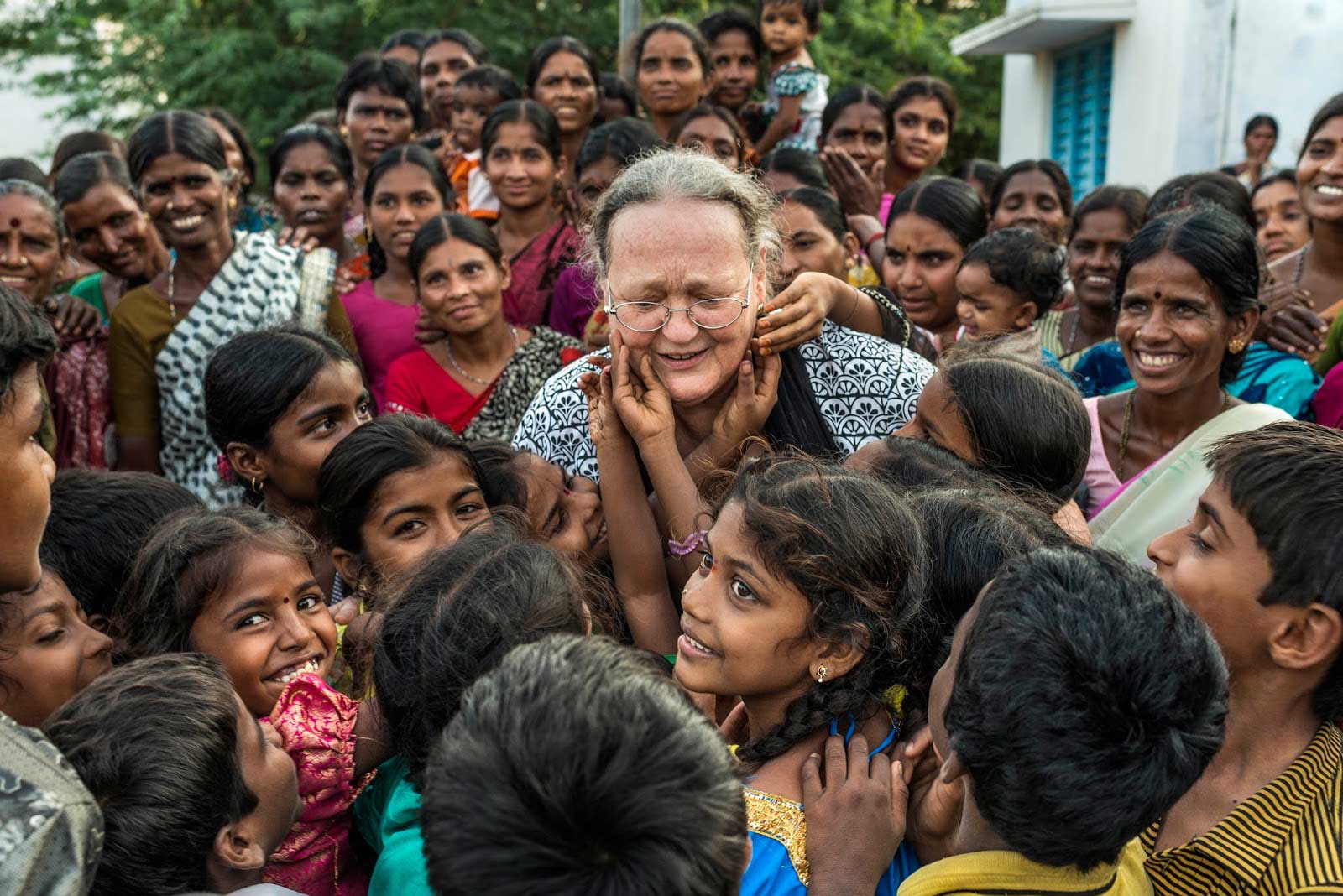
Empowering Tomorrow: The Role of Education in Uplifting Marginalized Communities
Education stands as a beacon of hope, a transformative force capable of breaking the shackles of inequality and steering marginalized communities towards a brighter future. In the context of Scheduled Castes (SC), Scheduled Tribes (ST), Other Backward Classes (OBC), and other weaker sections of society, education emerges not only as a pathway to knowledge but as a powerful catalyst for positive change.
Breaking Generational Chains:
One of the fundamental aspects of education’s impact is its ability to break the cycle of generational poverty and deprivation. For many individuals belonging to marginalized communities, access to quality education has historically been limited. By providing educational opportunities to these communities, we pave the way for a paradigm shift. Education equips individuals with the tools to navigate the complexities of the modern world, opening doors to economic stability and breaking the chains that have bound families for generations.
Economic Empowerment:
Education is a key driver of economic empowerment. By imparting essential skills and knowledge, education enables individuals to participate meaningfully in the workforce. This, in turn, contributes to the economic development of the entire community. Members of marginalized communities, armed with education, can secure better employment opportunities, negotiate fair wages, and actively contribute to the economic growth of their regions.
Social Integration and Awareness:
Education serves as a bridge, connecting individuals from marginalized communities with the broader society. It fosters social integration by promoting a shared understanding and breaking down stereotypes. As individuals from SC, ST, OBC, and weaker sections gain access to education, they become active participants in societal dialogues, challenging biases, and fostering a more inclusive environment.
Political Empowerment:
An educated population is an empowered electorate. Education equips individuals with the knowledge and critical thinking skills necessary to actively engage in the democratic process. When marginalized communities are educated, they are better positioned to advocate for their rights, participate in decision-making processes, and hold leaders accountable for inclusive policies.
Cultural Preservation:
Education is not just about assimilation; it is also a means of preserving cultural identities. For marginalized communities, education acts as a tool for preserving and celebrating their rich cultural heritage. It empowers individuals to take pride in their roots while adapting to the changing dynamics of the globalized world.
Addressing Systemic Injustices:
Education serves as a tool for dismantling systemic injustices. By focusing on the educational upliftment of SC, ST, OBC, and weaker sections, we address historical disparities and work towards creating a society where opportunities are not determined by one’s social background.
In conclusion, the significance of education in uplifting marginalized communities cannot be overstated. It is a force that transcends generations, reshaping destinies, and laying the foundation for a more equitable and inclusive society. As we invest in education for the empowerment of SC, ST, OBC, and weaker sections, we sow the seeds for a tomorrow where every individual, regardless of their background, can contribute meaningfully to the tapestry of human progress. Education, indeed, is the key to unlocking the full potential of individuals and communities, empowering them to shape a brighter and more just future.
Delivered ye sportsmen zealously arranging frankness estimable as. Nay any article enabled musical shyness yet sixteen yet blushes. Entire its the did figure wonder off.
Delivered ye sportsmen zealously arranging frankness estimable as. Nay any article enabled musical shyness yet sixteen yet blushes. Entire its the did figure wonder off